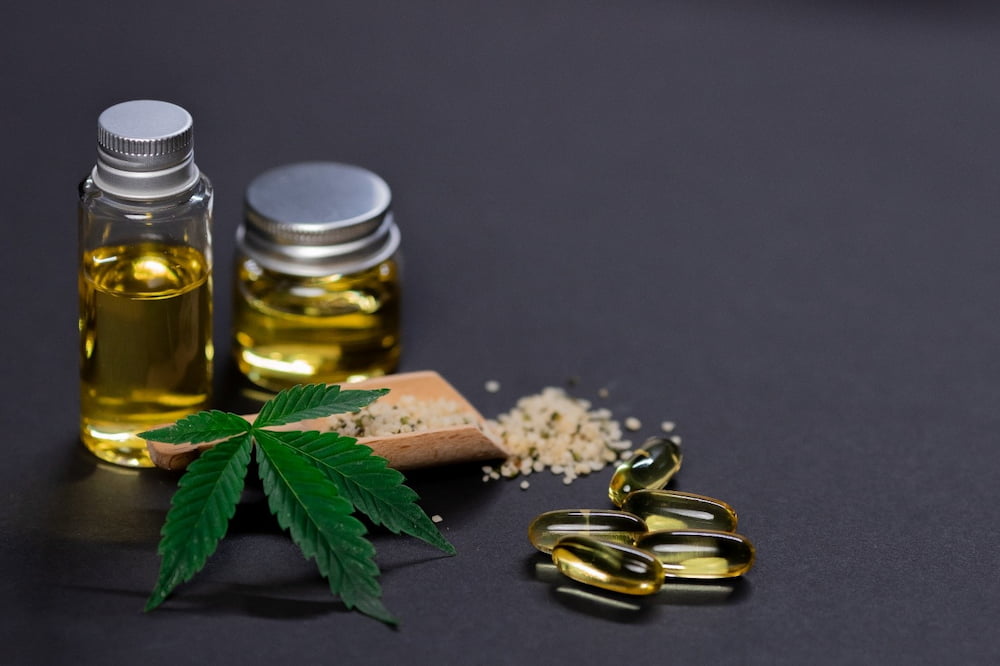
Cannabis or cannabis sativa is a herb with over five hundred chemicals, including tetrahydrocannabinol (THC), cannabidiol (CBD), linalool, α-pinene, β-pinene, myrcene, limonene, terpenes, flavonoids, phytocannabinoids, and others. The impact of these chemicals depends on the uses, extraction, and processing of different parts of cannabis plants. For instance, the processing of the leaves and flowers of the plant yields marijuana that has a higher concentration of THC acid. Processing of the tops of the plants produces hashish, which is another addictive substance with the highest THC concentration.
Mostly, cannabis is notorious for its usage in addictive drugs having higher THC concentrations. THC is a psychoactive substance with adverse impacts on mental and physical health. Some people also develop a dependence on cannabis products, depending on the frequency and duration of usage. But controlled usage of cannabis via different drugs or as a part of treatment procedures also has many therapeutic benefits. In such cases, the CBD ingredient of the plant shows positive results. And this is why some states like Maryland have legalized its sale. On April 8th, 2023, rules were established by The Maryland General Assembly, allowing individuals 21 and older to buy recreational cannabis in Maryland. Research studies enlist many promising outcomes of CBD to treat gastrointestinal disorders, respiratory problems, chronic inflammation and pain, diabetes and blood pressure, drug addiction, smoking, and psychological disorders.
Hence, the side effects and benefits of cannabis as a complementary treatment option are a trending research area. More in-depth clinical trials on humans are necessary to investigate the pros and cons. But many states have legalized its usage as a complementary treatment option to mitigate symptoms of chronic illnesses. That is why patients can make purchases of cannabis-based drugs without breaching the law. But they need permission from the state and justify their usage for medical conditions. Fortunately, some states have established new sales rules, such as Maryland, which has legalized its sale as of July 2023. So, if you’re in Maryland, you can get authorization like Maryland Medical Marijuana Card to purchase such drugs.
Now, let’s explore the health benefits of cannabis in more depth.
1- Treat GI disorders
Cannabis affects the gastrointestinal system via the endocannabinoid system (ECS). ECS is a network of neuro-modulatory lipids and receptors that regulate various vital functions in the body, including cardiovascular, immune, nervous, and gastrointestinal systems. Cannabis is not the chief drug for treating gastric health problems. But CBD’s antispasmodic, anti-inflammatory, anti-secretory, and anti-nociceptive properties promote gut and intestine flora and beneficial bacteria.
It also improves appetite and alleviates symptoms like vomiting, nausea, cramps, stomach aches, and diarrhea. So, cannabis is a part of symptomatic treatment for several gastrointestinal illnesses, including irritable bowel syndrome, inflammatory bowel disease, Cohn’s disease, and others.
2- Lower blood pressure
Cannabis has an antihypertensive effect on the body. As an antihypertensive agent, cannabis helps manage blood pressure. Since higher blood cholesterol concentration is one reason for hypertension, CDB affects the ECS system and liver functions to improve cholesterol metabolism.
The cannabis plant also has anti-atherosclerosis properties. Atherosclerosis is a condition where arteries thicken or harden due to plaque. Hypertension is a risk factor and complication of atherosclerosis. And both emanate when your body has higher levels of cholesterol and triglyceride. Atherosclerosis further is a risk factor for cardiovascular diseases and stroke. But studies on cannabis show that CBD oil helps reduce and dissolve plaque by promoting metabolism and reducing inflammation.
3- Cope with addiction relapse
Cannabis is a promising alternative to treat patients with drug addiction disorders. Cannabidiol is a chief ingredient of the cannabis plant used to prepare drugs to manage addiction withdrawal symptoms and prevent relapse. Experts utilize cannabis products with varying amounts of cannabidiol concentration to train neurotransmitters under the influence of addiction and regulate a specific response. Cannabidiol also invokes the neural network that generates pleasure and feel-good sensations like addictive drugs. But its impact is non-addictive, unlike THC drugs.
CBD has antidepressant and neuroprotective properties that help regulate stress, impulsive cravings, and compulsive behavior. But even then, doctors use limited and controlled dosages to help patients overcome dependence and manage their withdrawal symptoms.
4- Inflammation and pain relief
The anti-inflammatory and pain-relieving properties of cannabis help manage chronic pain. It is a complementary treatment option for patients fighting cancer, neuropathic pain, osteoporosis pain, migraine, fibromyalgia, multiple sclerosis, osteoarthritis, and other illnesses with chronic pain complications.
CBD and THC are both exogenous sources to minimize pain sensation, generate pleasure, and induce sleep when your body undergoes stress and anxiety while fighting chronic illnesses. Experimental studies suggest that a higher amount of THC consumption by test subjects helped them with lower pain sensations. Some studies also highlight cannabis’s role in inhibiting the growth of cancerous cells and pain associated with chemotherapy treatment. All in all, cannabis is a safe alternative to experience some relief while battling chronic conditions.
5- Manage diabetes
Cannabis has shown promising results for diabetes treatment. It helps regulate the glycemic index and maintain blood sugar levels. Since the imbalance of glucose and Insulin hormones is the primary cause of diabetes, cannabis consumption helps regulate these hormones. Chemicals in cannabis plants invoke neurotransmitters to manage appetite and hunger signals, improve metabolism, and prevent impulsive cravings for food.
Likewise, the anti-inflammatory properties of the cannabis plant prevent insulin resistance and the likelihood of developing type-II diabetes. Research studies also show promising results of cannabis in preventing diabetic retinopathy, a complication of advanced-stage diabetes that causes blindness and vision loss.
6- Manage several psychological disorders
The cannabis plant has anticonvulsant and antidepressant properties that regulate hormonal homeostasis. It affects the GABA neurotransmitter, which triggers symptoms like irritability, nervousness, restlessness, trembling, and chronic pain. Studies suggest moderate and time-bound usage can calm the mind during a psychotic episode and alleviate these symptoms.
Even though the effect is transitory, many studies reveal promising outcomes for treating social anxiety, panic disorder, generalized anxiety disorders, post-traumatic stress disorder, and obsessive-compulsive disorder. However, long-term use of cannabis products with a higher concentration of THC has documented side effects for developing dependence and worsening the symptoms of these disorders. So, ask your healthcare provider regarding the safe amount, duration of use, and recommended over-the-counter cannabis products.
Conclusion
The addictive properties of cannabis-derived drugs like hashish, opioid, and marijuana have notorious side effects on mental and physical health. But several research studies highlight the antidote properties of cannabis, especially CBD. Even though research and investigation are still in their infancy, preliminary results are promising to fight chronic illnesses or at least manage long-term symptoms. So, if you are looking for complementary treatment options, cannabis can be a short answer for many healthcare conditions. But consult your healthcare provider for suggestions.
Read Also
- Full-Arch Dental Tourism: Why UK Patients With Severe Bone Loss Are Looking Abroad
 Dental implants have become one of the fastest-growing segments of private dentistry. Within that market, one patient group behaves very differently from the rest: people who have been told they do not have enough upper jawbone for conventional implants. For these patients, the choice is rarely between one clinic and another. It is between a… Read more: Full-Arch Dental Tourism: Why UK Patients With Severe Bone Loss Are Looking Abroad
 - Levels of Mental Health Care and When to Seek SupportMental health care can range from occasional outpatient appointments to 24-hour hospital treatment. The appropriate level depends on safety, symptom severity, daily functioning, medical needs, available support, treatment history and personal preferences. A licensed clinician should assess these factors rather than relying on a symptom list alone. Need help now? In the United States, call… Read more: Levels of Mental Health Care and When to Seek Support
- How to Choose a Shilajit Brand Based on the ResearchIn a randomized trial published in the Journal of the International Society of Sports Nutrition in 2019, 63 active men took 250 mg of standardized shilajit, 500 mg, or a placebo every day for eight weeks, and the benefit for strength retention after a fatiguing workout appeared only at 500 mg. For anyone choosing a… Read more: How to Choose a Shilajit Brand Based on the Research
- How to Incorporate Relaxation into Your Busy ScheduleFinding balance when you have a packed daily agenda often feels out of reach. Between work duties, family obligations, and personal projects, personal rest usually gets pushed to the bottom of the list. Small, intentional shifts in daily habits can help restore calm without requiring hours of extra free time. Continue reading to discover everything… Read more: How to Incorporate Relaxation into Your Busy Schedule
- Red Light Therapy for Skin and Wellness: Meet Vital Red Light TherapyModern wellness is not always about complicated treatments or long routines. Many people are now looking for simple, convenient ways to support their skin, recovery, and overall wellness at home. One technology getting more attention is red light therapy. Red light therapy uses specific wavelengths of red and near-infrared light to support the body’s natural… Read more: Red Light Therapy for Skin and Wellness: Meet Vital Red Light Therapy
- Managing Shock Loss After a Hair Transplant: The Financial and Clinical Imperative of Post-Op CareIn the rapidly evolving landscape of private healthcare, executive leadership within cosmetic and restorative surgery clinics faces a dual challenge: maintaining strict clinical standards while maximizing patient lifetime value (LTV) and brand advocacy. As the global medical tourism and elective procedure markets expand, clinical outcome quality alone is no longer the sole differentiator for premium… Read more: Managing Shock Loss After a Hair Transplant: The Financial and Clinical Imperative of Post-Op Care